Montenegro's coastal roads and mountain passes are among the most rewarding stretches of tarmac in Europe, but they also demand respect. Narrow lanes, sharp switchbacks, and unpredictable local drivers mean that even a careful tourist can occasionally find themselves involved in a minor collision. If that happens while you're behind the wheel of a rental car, knowing exactly what to do can turn a stressful moment into a manageable one. This guide walks you through the practical steps to take, from the first seconds after impact to the paperwork that follows, so you can handle the situation with confidence rather than panic.
A Little Preparation Goes a Long Way
Most accidents involving tourists are avoidable once you understand a few local quirks, like how roundabouts work in Podgorica, where speed cameras are common along the coast, or why overtaking on mountain roads requires extra caution. Before you collect your keys, it's worth reading our guide, "Driving Rules and Regulations Tourists Must Know in Montenegro," which covers the essentials every visitor should know before setting off. A few minutes of reading now can save you a great deal of trouble later.
The First Few Minutes After an Accident
Stop the Car and Stay Calm
No matter how small the collision feels, never drive away from the scene. Leaving the scene of an accident, even an apparently minor one, is treated seriously under Montenegrin law and can create far bigger problems than the accident itself, including for your insurance and rental agreement. Pull over safely, turn on your hazard lights, and take a breath before doing anything else.
Check for Injuries
Before worrying about the vehicle, check yourself and any passengers for injuries, then check the other party involved. If anyone is hurt, even slightly, call for medical help immediately rather than waiting to see how things develop.
When You Need to Call the Police
If there are injuries, significant disagreement about who caused the accident, or visible damage that goes beyond a scratch or small dent, you should call the police on 122 (or the general European emergency number, 112) and wait at the scene until they arrive. In Montenegro, you also have the option to formally request a police investigation of the accident, which currently comes with an administrative fee of around €50; this fee is refundable if you are later found not at fault. For very minor incidents where both drivers agree on what happened and there's no injury, it's possible to complete a standard European Accident Report form and submit it directly to the insurer instead of involving the police, although we still recommend calling your rental company first to confirm this is appropriate for your situation. When uncertain, it is always safer to involve the police than to assume an accident was too small to matter.
Contacting Your Rental Company
As soon as it's safe to do so, call your car rental agency. Most agencies, including ours, provide a direct phone number for exactly this kind of situation, and our team can talk you through the next steps in real time, arrange roadside assistance if the vehicle isn't drivable, and advise you on whether police involvement is necessary in your specific case. Calling early matters because rental agreements typically require prompt notification of any accident, and delaying this call can complicate an otherwise straightforward insurance claim.
What Documentation You'll Need
Good documentation protects you and speeds up the entire process, whether you're dealing with a rental car accident or simply explaining what happened to your insurer back home. While waiting for the police or your rental company, try to gather the following:
- Photos of all vehicles involved, taken from multiple angles, along with the surrounding road and any visible damage
- The other driver's name, license number, and contact details, along with their vehicle's registration and insurance information
- The names and badge numbers of any responding police officers
- A copy of the official police report, if one was filed
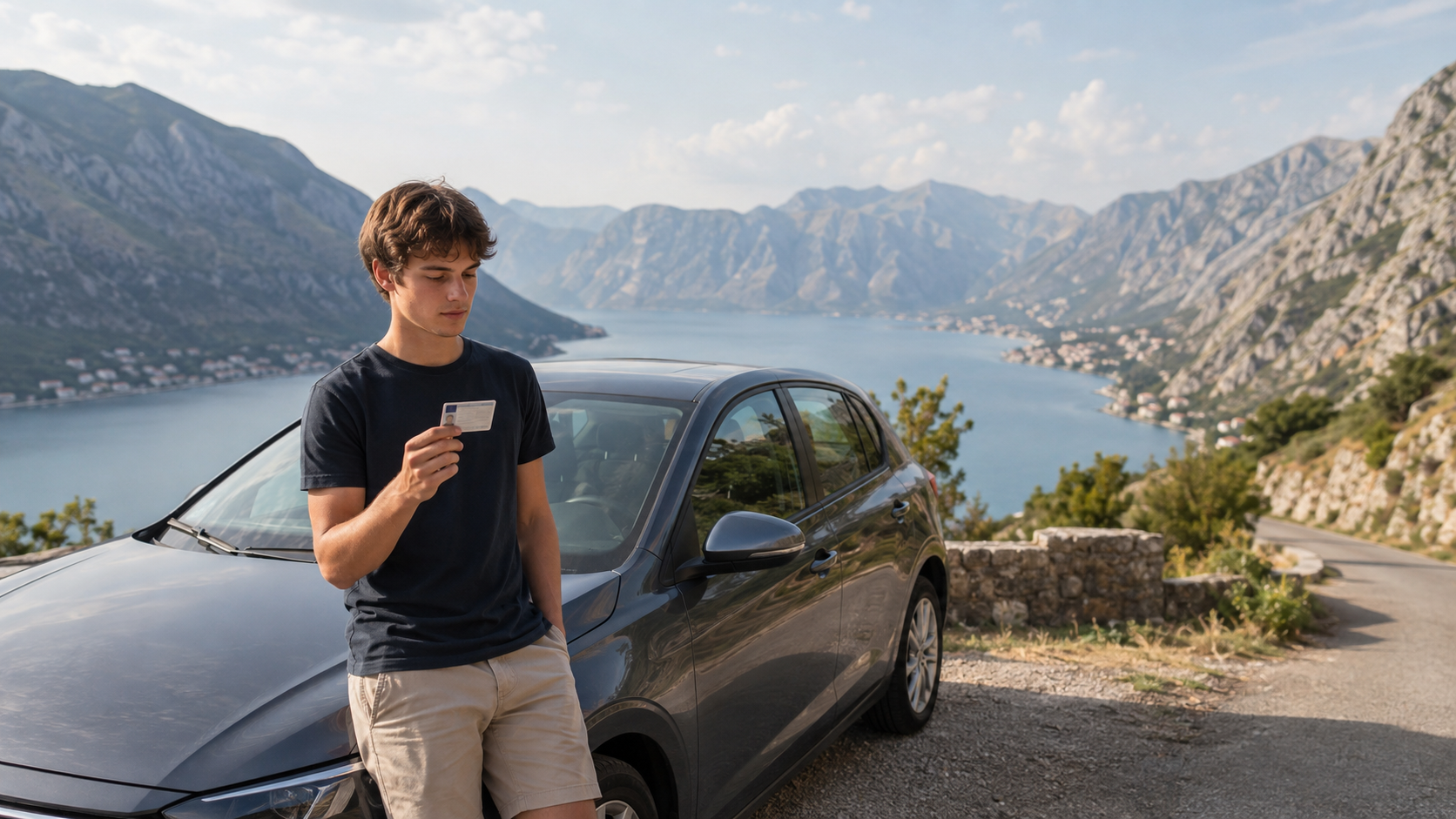
- Your rental agreement, driving license, and ID or passport, which you should always carry while driving in Montenegro
How Rental Car Insurance Typically Works
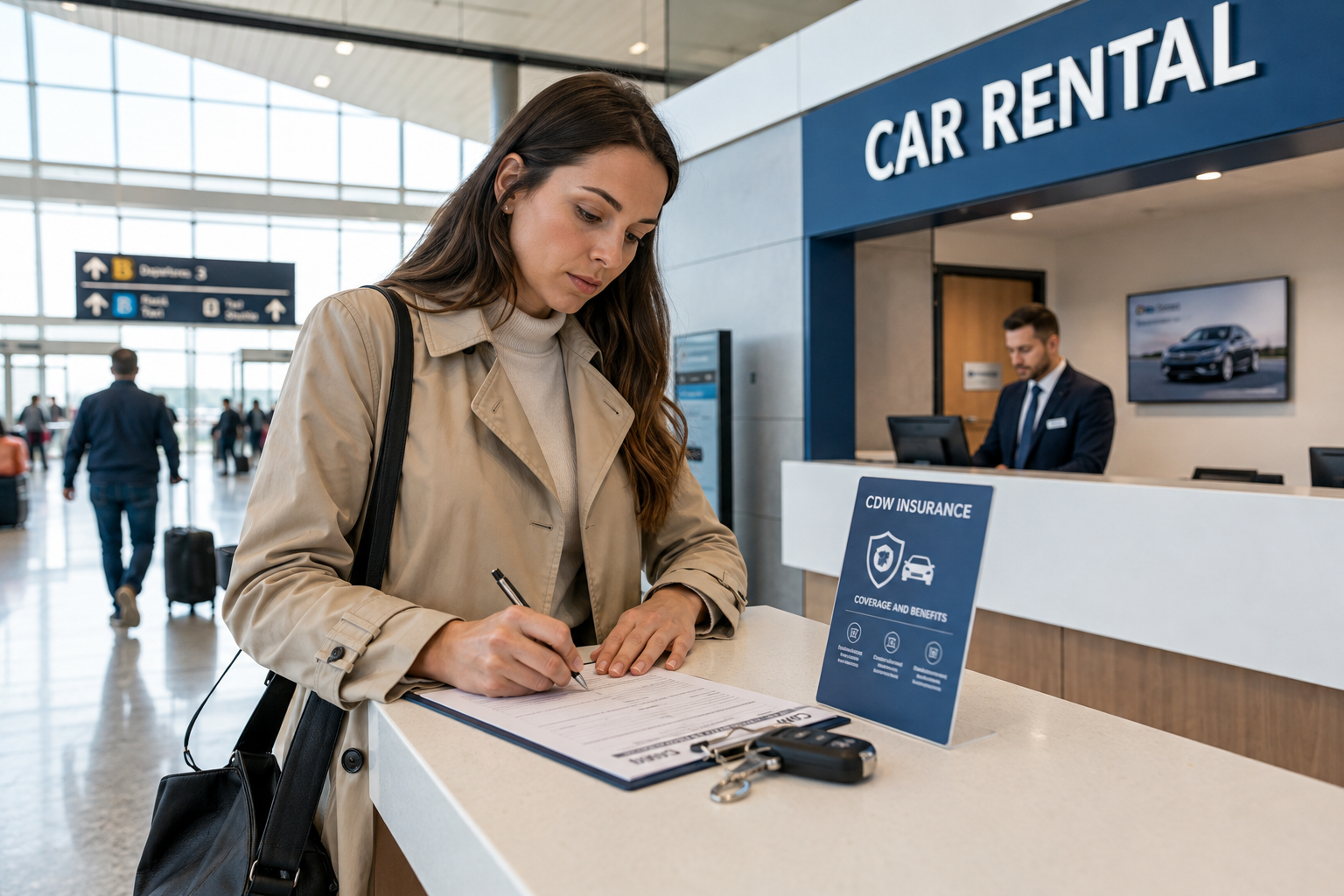
Every car rental Montenegro agency includes a baseline insurance policy with the rental price, but it's important to understand how it actually functions. Most rentals come with Collision Damage Waiver (CDW) coverage, which limits your financial responsibility to a set excess or deposit amount rather than the full cost of repairs, but this protection generally only applies when the accident is properly reported and documented. If you skip calling the police when required, or fail to notify the rental company promptly, you may end up personally liable for damages that would otherwise have been covered. This is precisely why following the steps above isn't just a formality, it's what makes your coverage actually work the way it's meant to.
Staying Safe While You Wait
Accidents on Montenegro's narrower roads carry an added risk: other traffic. While waiting for help to arrive, move yourself and any passengers away from moving vehicles whenever possible, place a warning triangle behind the car if you have one (these are required equipment in every rental vehicle), and keep hazard lights on at all times, even after dark. If you're on a blind curve or near a tunnel, this extra visibility can make the difference between a minor inconvenience and a far more serious situation.
Numbers Worth Saving Before You Travel
It's worth storing these directly in your phone before you start driving:
- 112 – general European emergency number, works throughout Montenegro
- 122 – police
- 124 – ambulance
- 123 – fire department
- 19807 – 24-hour roadside assistance
Final Thoughts
Road safety in Montenegro comes down to preparation and a level head when something unexpected happens. Accidents are rare for most visitors who drive sensibly, but knowing the right sequence of steps, stopping, checking for injuries, deciding whether police involvement is needed, calling your rental agency, and documenting everything carefully, means you'll never be caught off guard. Our team is always just a phone call away, ready to support you through any part of the process so you can get back to enjoying your trip.